Blog from CMIT Solutions:
For the first four months after launching CMIT Solutions of Philadelphia West, Mike McCain didn’t eat lunch alone. Every meal became an opportunity to reconnect with a former colleague, meet a business owner, or deepen a new relationship.
It’s a small detail with a much larger lesson for prospective franchise owners. Early momentum rarely comes from waiting for the right lead to appear. It comes from creating a repeatable rhythm of outreach, follow-up, and conversation, then protecting time for that work even when dozens of other priorities compete for attention.
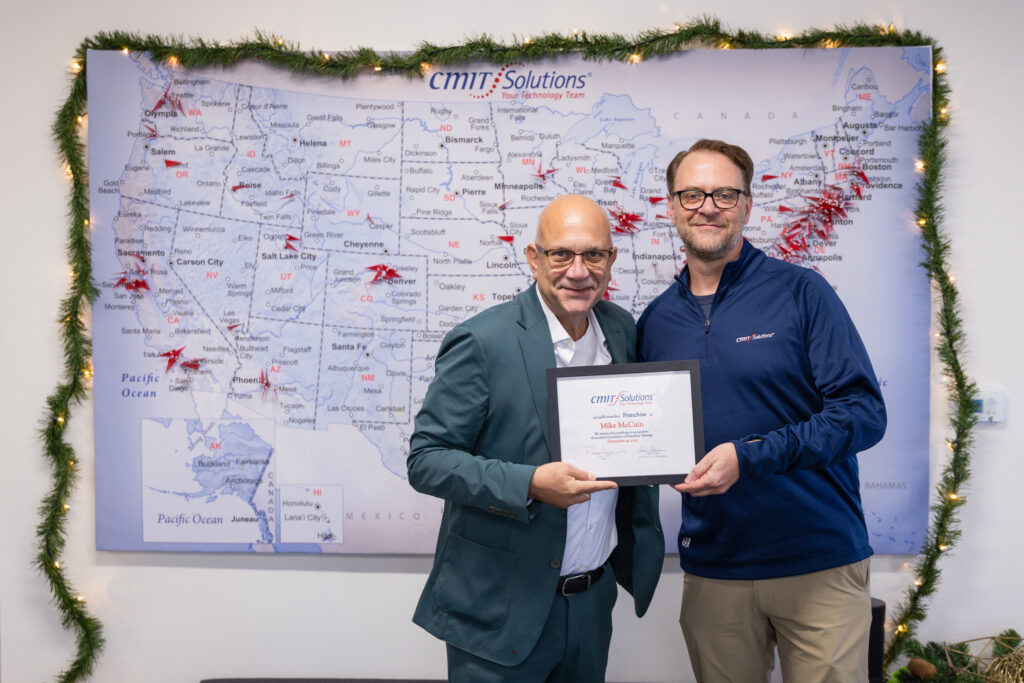
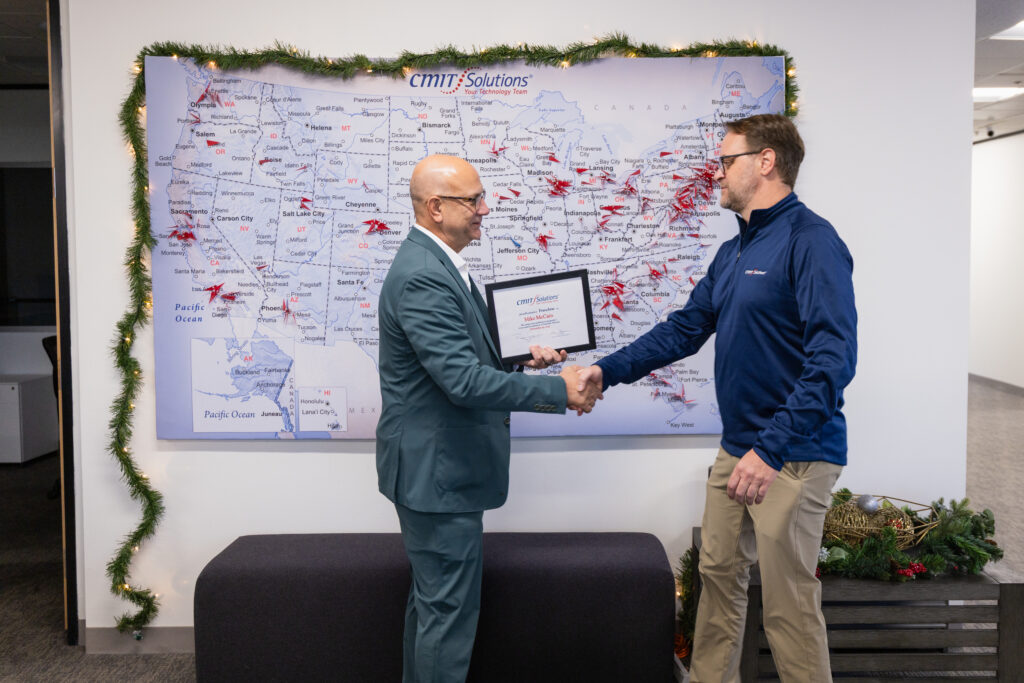
That relationship-first discipline helped Mike stand out soon after his January 2026 launch and contributed to his recognition as CMIT Solutions’ July 2026 Featured Franchisee.
Momentum started before opening day
Mike entered franchise ownership with an unusually deep technology background. He spent 13 years as CIO of a large healthcare organization with more than 4,000 employees across roughly 40 locations. Earlier in his career, he ran managed service providers when the MSP industry was still taking shape.
Experience gave him confidence, but he didn’t treat it as a substitute for preparation. Before onsite training, he was already thinking about how he would introduce the business, organize his pipeline, and turn professional relationships into meaningful conversations.
He blocked specific calendar time for business development and reached broadly across his network, including former colleagues, managers, and direct reports. An initial email announced the new business. Two to three weeks later, a smaller and more personalized campaign gave people a reason to respond and continue the conversation.
The distinction mattered. Broad communication created awareness; personal follow-up created connection.
A network is only valuable when it is activated
Many aspiring business owners know they have a strong professional network. Fewer approach that network with a system. Mike treated outreach as an operating responsibility, not an occasional marketing activity.
No email inquiry sat unanswered for more than a day. His CRM became the central record for contacts, opportunities, and next steps. Networking events and speaking engagements were not endpoints. They were ways to identify the people with whom he should schedule a one-on-one conversation.
That’s where the lunches came in. By deciding not to eat alone, Mike created a simple rule that made relationship building part of his daily routine. He didn’t need to invent extra hours for networking. He used an hour already present in the day and gave it a clear business purpose.
The approach was consistent with the entrepreneurial mindset he learned growing up in a business-owning family. Action reduces uncertainty, conversations create information, and follow-up turns interest into opportunity.

The first conversation is about the business
Mike’s relationship strategy works because it’s not built around immediately presenting a list of technology services. His first goal is to understand how an organization operates, what leadership is trying to accomplish, and where risk could interrupt those plans.
His healthcare leadership experience makes a security-first mindset natural. But he discusses cybersecurity through the concerns executives already carry: reputation, compliance, operational disruption, employee behavior, and shared liability. The conversation begins with the business impact, then moves toward the appropriate technology.
That same pattern shapes his approach to artificial intelligence. Rather than leading with AI because it’s a popular topic, Mike typically raises it after trust has been established and the business is better understood. The questions become practical: What measurable outcome should improve? What return would justify the investment? Does the use case require AI at all, or would a simpler form of automation work better?
For prospective franchise owners, this is an important distinction. Relationships may open the door, but thoughtful business conversations are what create lasting value.
The platform supports the process, but execution creates momentum
Mike brought extensive leadership and technology experience into CMIT Solutions of Philadelphia West. He also gained a structured platform for organizing and advancing client conversations. The CRM and CMIT Solutions’ suite of tools helped him manage the pipeline and stay focused amid the daily unpredictability of launching a business.
But a platform doesn’t send the follow-up email, schedule the next lunch, or respond to an inquiry within a day. Mike’s early growth reflects the combination prospective owners should look for: established systems paired with disciplined local execution.
His advice to new franchisees follows the same logic. Spend less time perfecting financial models and more time developing the go-to-market plan. Visualize what the business should look like at six months, one year, and two years. Begin with the people who already know your work and want to see you succeed, while planning early for the point when growth must extend beyond that immediate circle.
Recognition is a milestone, not a finish line
Mike describes his leadership philosophy with a phrase passed down from his grandfather and reinforced by his father: “Sometimes gratified, never satisfied.” It captures the balance between recognizing progress and continuing to improve.
That philosophy now extends to a small but growing team. Mike prioritizes frequent communication, personal relationships, and an understanding of each employee’s goals and motivations. The same care he brings to developing client relationships shapes how he develops people,
Mike’s relationship-first launch strategy is only one part of the discussion. In the full podcast, he also shares his views on cybersecurity as an ongoing process, deliberate AI adoption, leading a growing team, leaving corporate bureaucracy behind, and preparing for the next stage of business development.
Explore franchise opportunities with CMIT Solutions.